Alabama is the 14th state people were moving in the last two years.
Like anywhere, there are plenty of bars and things to do in Alabama’s cities, each with its plusses, minuses, and unique features.
Birmingham has clubs, a heated nightlife, and a younger crowd.
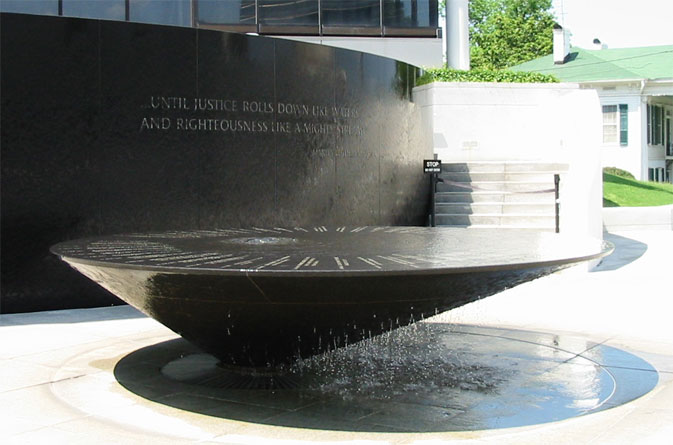
You’ll find lots of civil rights memorials throughout Alabama, but in Montgomery, you can visit the home of Dr. Martin Luther King, the Rosa Parks Library & Museum, and the Legacy Museum, as well lots of civil rights memorials.
Mobile’s great for historic architecture, museums, and the arts.
And Tuscaloosa has a number of small colleges, as well the University of Alabama.
But as you leave the city, you’ll enjoy a slower lifestyle in the Yellowhammer State.
Drivers take their time on the roads, and are generally more considerate.
Pedestrians should expect friendly greetings when they otherwise wouldn’t, as well as random conversations with strangers, a.k.a, “long-awaited friends.”
This is but the tip of the iceberg when it comes to these amazingly laid-back people. To the uninitiated, it’s a refreshing character trait shared in Alabama (and the South in general) called “Southern Hospitality.”
In a nutshell, people in Alabama are Polite.
They understand that saying “please” and “thank you” is just good manners.
They also say “yes ma’am” and “no ma’am” whenever they possibly can.
Many people in Alabama express their love of friends, families, and strangers alike by serving large amounts of food.
If you eat too quickly, they’ll keep filling it for you. This, while telling you at the same time, “Save room for dessert!”
The people in this state are KIND to each other. They don’t hurry through conversation. In fact, they try not to hurry at all.

They have grace under pressure, and only get around to worrying when they’ve run out of things to do.
Perhaps the biggest Virtue of these good folks is they’re charitable to those in need.
Religion Is Big In Alabama
Alabama is smack dab in the middle of the Bible Belt.
This god-fearing region of the United States is known for high church attendance, traditional family values, and conservative politics.
Alabama in particular has the highest percentage of people in the country who believe in God, and 86% of its residents identify as Christian.
These Christians are mostly made-up of:
- Souther Baptists
- United Methodists
- Non-denominational Evangelical Protestants.
And I sure hope you love college football.
When people in Alabama aren’t saying “butter my bread and call me a biscuit,” they’re aggressively following college football.
There’s an in-state rivalry between the University of Alabama Crimson Tide and the Auburn Tigers, and they battle it out every year at the Iron Bowl, in stadiums in Tuscaloosa and Auburn.

So, if making plans with friends or family, make sure you check that no games are going on, or you may find yourself the only one at the cookout.
Alabama Means Great Food
Look forward to a lot of the following in your new state:
- Seafood boils.
- Cornbread in milk
- Boiled peanuts
- Sweet tea
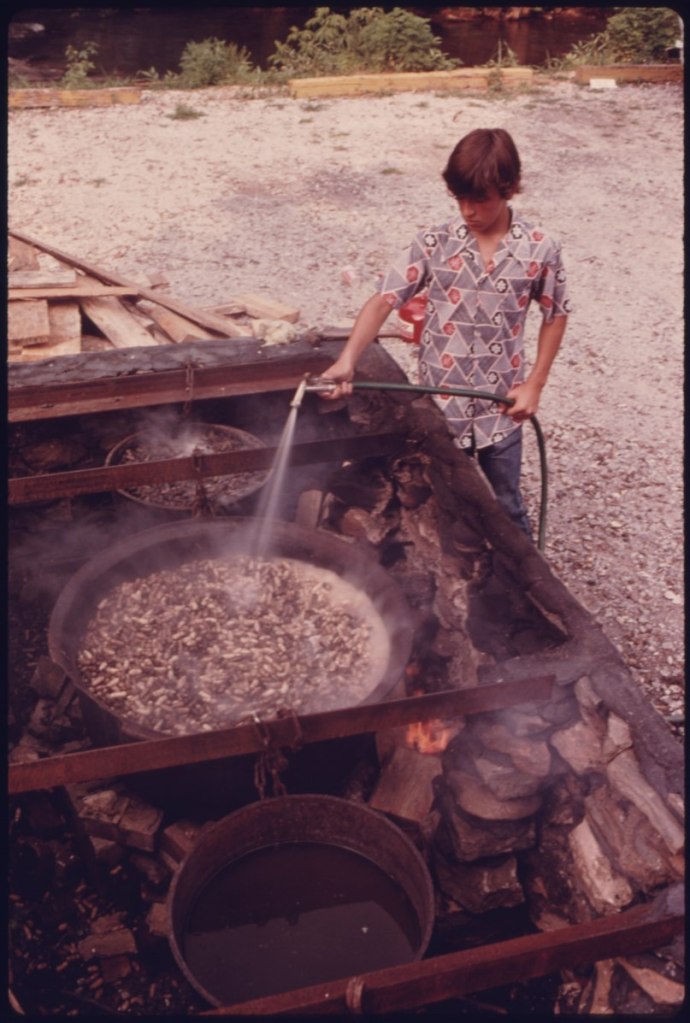
If you don’t know already, Alabamans love their shellfish.
There’s a national shrimp festival that’s been for nearly 50 years!
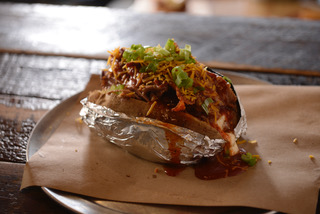
And what would the south be without it’s delicious, slow-cooked BBQ? A lot less saucy, that’s for sure. There are more BBQ restaurants in Alabama than you can shake a stick at.
Here are two that regularly come up on the various scientifically chosen top 5 lists:
- Miss Myra’s Pit Bar B Q in Birmingham, specializing in a creamy version of traditional Alabama white sauce, the heavenly aroma of their smoked pork and chicken reportedly carries on the breeze for miles.
- Saw’s BBQ, ALSO in Birmingham. They were rated “Best BBQ in America” by Men’s Journal, and the “Alabama News Center” ranked their pork stuffed taters in the top 100 dishes to try in Alabama before you die.
Alabama Music And Arts Festivals Are Magical
Visit the Hank Williams Festival, which happens in June, and features tons of live country music.
Or go to the W.C. Handy Music Festival for blues and jazz! It happens every July in Florence.
If you think you might enjoy the white-sands beaches of the gulf, you can party there for 3 days of live music at the Hangout Music Festival. This event is the largest of such festivals in all of the South.
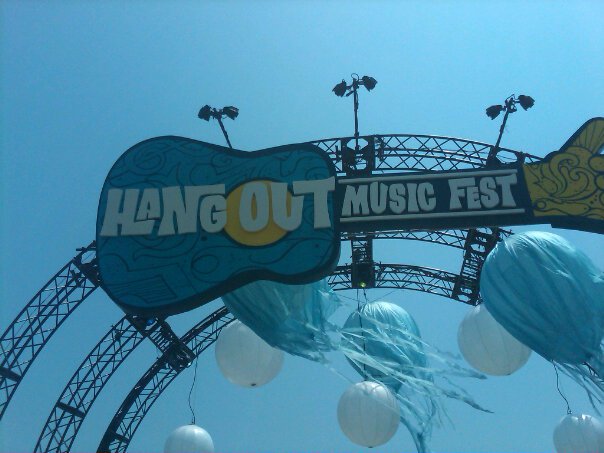
Srt252, CC BY-SA 3.0, via Wikimedia Commons
The Fishing In Alabama Is Legendary
With access to the gulf of Mexico, 47 reservoirs, and 77,000 miles of rivers snaking through the state,
The official freshwater fish of Alabama is the largemouth bass, though of course there’s tons of catfish, bluegill, crappie, and even stocked trout in certain locations.
The official saltwater fish in Alabama is the tarpon — you know, that big silver fish that grows to 8 feet long and weighs up to 280 pounds?
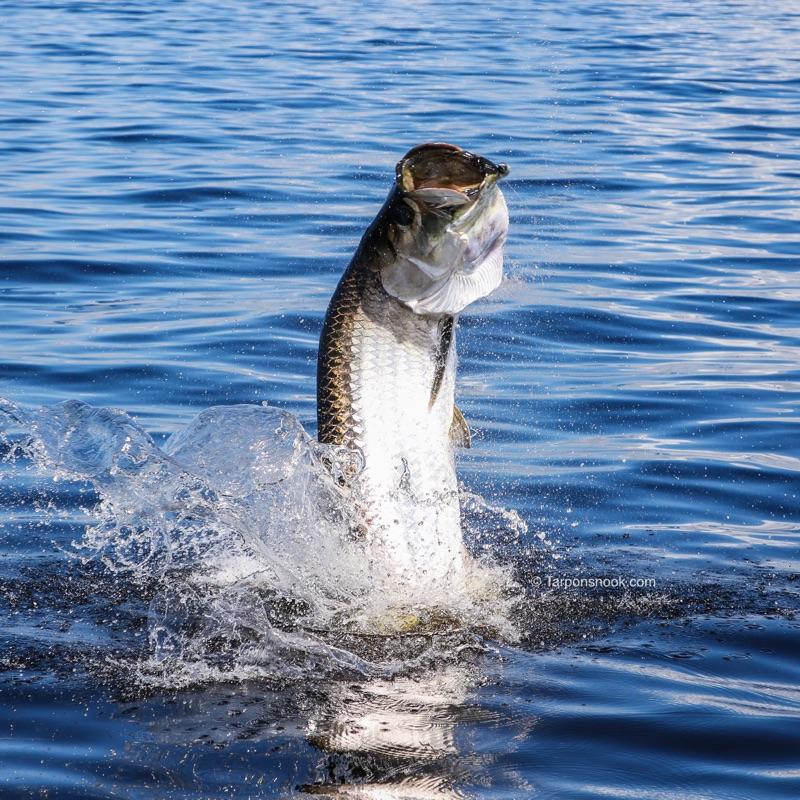
Redmahta, CC BY-SA 4.0, via Wikimedia Commons
Yeah that one! Not really an eating fish, as it has a strong smell.
It’s usually caught for sport and released.
Alabama Demographics
In 2019 estimated population is 4,903,185.
This is up 2.6% since the 2010 census.
54.8% of the population is between 19 and 64 years of age. And 16.9% are 65 and over.
This leaves 28.3% for anyone 18 and younger.
The most populated cities in Alabama are:
- Birmingham [208,940]
- Huntsville [202,910]
- Montgomery [197,282]
- Mobile [186,804]
- And Tuscaloosa [103,369]
The fastest growing cities in Alabama are Tuscaloosa, with a 14.16% increase since 2010, followed by Huntsville, coming in at 12.13% growth.
Birmingham, Montgomery, and Mobile all saw their populations FALL during the same time period (1.32%, 4.04%, and 4% respectively).
Crime In Alabama
For those worried about crime — and let’s be honest: who isn’t — Alabama has a slightly higher crime rate than most of the country.
At 6.44 incidents per 1000 people, crime is up slightly higher than the national average of 4.49.
Of all crimes in Alabama, 18% can be described as “violent,” and 34% are listed as “property crimes.”
According to “safewise.com,” 56% of survey respondents in 2019 said they worried about crime on a daily basis.
In 2020, this number jumped to 59%.
Of the crimes Alabamans worry about, 72% fear being burglarized, and 30% worry about physical assault.
The top 5 safest cities in Alabama are:
- Rainbow City [pop: 9,546]
- Southside [pop: 8,774]
- Mountain Brook [pop: 20,373]
- Margaret [pop: 4870]
- Helena [pop: 19,387]
The Top 5 highest crime rates in Alabama are found in:
- Anniston [pop: 21,592]
- Fairfield [pop: 10,625]
- Lanett [pop: 6,245]
- Birmingham [pop: 210,564]
- And finally, Tarrant [pop: 6,175]
Alabama Home Prices
One of the most important things about any place you’re interested in moving to is home and rental prices.
Before diving into the specifics for Alabama, let’s have a quick look at the national averages.
Across the U.S., buyers pay an average of $217,600 for a home. The average mortgage payment is: $1,500, and the average monthly rent is $1,400.
Good news! Home prices in Alabama are considerably lower than the national average!
The average 2019 home price in the Cotton State is $144,300.
The average mortgage payment is $1,123. And the average monthly rent is $1,050
Ok, I know what you’re saying: “But what about the city I wanna live?”
Though I can’t cover all of them, let’s have a look at the hottest real-estate markets using 2019 prices.
BIRMINGHAM:
In “The Magic City,” the median home value is just under $65,000, with rentals going for $850.
The listings in the Birmingham-Hoover metro Area are nearly 4 times higher ($245,525), and rentals bumped up to $1050.
HUNTSVILLE:
In the “Rocket City,” listings go for almost $260,000.
But the actual sale prices are half that ($170,300).
The median Rental price per month is $1085 on the outskirts, or $1200 a month inside the metro area.
MOBILE:
In the “Azalea city,” median home listings go for almost $168,000, and the price for those actually sold is $144,500.
Metro area listings are almost $2000 dollars higher for both listing and selling.
- Listing: 169,610
- Selling: 146,200
The average monthly rent in all of Mobile comes in at $900.
MONTGOMERY:
In “Montgomery, the Capital of the South,” the median listing for houses is close to $145,000.
The selling price is $121,100, and the median rental is $895 dollars.
For Metro-area Montgomery, the median listing is $210,950, and houses sold for just under $211,000.
Rentals here go for $950 dollars.
TUSKALOOSA
In Tuskaloosa, a.k.a “the druid city” for the oak trees planted by its founding fathers along the downtown streets, median listings go for nearly $210,000, and sell for around $167,600.
Metro Tuskaloosa homes list for $219,000, and median rentals go for $1300.
Alabama Poverty Rate
In Alabama, median household income is $48,486 a year, and the poverty rate is 16.8%, ranking it the 46th in the country, poorest-to-richest.
In 2019, the unemployment rate in Alabama was 3.5%, according to the Bureau of labor statistics.
The average salary ranges between $17,945 and $119,049, and the average annual pay is 58,356.
For comparison purposes, the average national salary is $66,665.
Jobs In Alabama
Workers in Alabama can expect a mean travel time of 24.7 minutes for their commute, each way.
The state has a ton of fast-growing industries to attract workers of of all types:
AEROSPACE
Aerospace and aviation employs more than 61,000 workers at more than 300 companies, thanks to upwards of 8.4 billion dollars in DoD contracts, Fort Rucker, Redstone Arsenal, and Nasa’s Marshal Space Flight Center.
BIOSCIENCES
Alabama has more than 780 bioscience companies,54 medical device companies, and several leading research facilities.
The Cummins Research Park in Huntsville is the second largest technology park in the country, with over 30,000 employees.
CHEMICAL INDUSTRY
If you’re into chemicals as much as I am, Alabama was the second largest exporter of chemicals in 2018.
There are more than 200 chemical companies in the state, and the Gulf Coast Chemical corridor — as it’s called — has nearly 30 such companies.
FOOD PRODUCTION
This is a huge part of Alabama’s economy. There are 40 thousand farms in Alabama covering 8.9 million acres, employing 33,000 people.
Alabama Food Production Rankings:
- 2nd in US freshwater fish sales.
- 3rd in poultry production.
- 3rd in peanut production.
- 10th in cotton production.
Other industries in Alabama include:
- Metals & Advanced materials.
- Automotive manufacturing.
- Forestry Products (timber, pulp, paper).
- Computer sciences jobs, which are expected to generate over 650,000 new jobs in the next 5 years.
Cost Of Living In Alabama
Alabama ranks 11th in the country in terms of affordability, and has the 5th lowest taxes in the country.
Housing is nearly 30% below the US average, though utilities are 3% higher.
The average monthly costs for groceries is $217, compared to the national average of $372.
If you need daycare, you’ll be happy to hear it’s $415 a month lower than than the national average of $847.
The average mortgage is $1,123. That’s $377 dollars below the national average.
Rents are $1050 dollars, $73 dollars below the national average.
Education In Alabama
85.5% of Alabamans have graduated from high school, and 24.9% have a bachelore’s degree or higher.
Forbes ranks schools in Alabama 44th in the country.
Their overall quality is ranked 43rd, and they are ranked 45th in terms of safety.
These rankings are based on state testing, graduation rates, SAT/ACT scores, and teacher quality reviews from students and parents.
Though that might not seem great, but if you’re a do-it-yourself-er, you’re in luck.
Alabama laws are VERY friendly to homeschoolers, with close to 802 thousand children being homeschooled at any given time.
Alabama Climate And Weather
Alabama has mild winters and very hot, very humid summers, and can be described best as “subtropical.”
The average yearly temperature is 64 degrees Fahrenheit, but hotter near the gulf of Mexico.
The average temperature in the summer is a sizzling 90 degrees, and the state enjoys 56 inches of annual rainfall.
Northern areas, especially in the Appalachian Mountains, are considerably cooler.
Any good discussion of Alabama weather wouldn’t be complete without mentioning their tornadoes: They’re big, they’re violent, and they’ve been known to literally sneak up to you, due to the hilly topography and heavily forested landscape.
If you don’t like tornadoes, but you love Alabama, consider avoiding the Northern and Central parts.
This area is known as “Dixie Alley,” where tornadoes are stronger, and move more quickly than those in crummy ol’ Tornado Alley.
As for storms, the eastern and northeastern parts of the state get 70-80 days of thunderstorms a year.
And of course, being a gulf state, Alabama is subject to hurricanes.
Now, I know what you’re thinking: “How does this guy know what I’m thinking?”
In addition to that, you might also be thinking, “Why not live near the Tennessee border?”
That would seem to make sense, but make sure you choose high ground, because the water dumped by hurricanes and tropical storms is a notorious cause of flooding.
Finally, we have some good news:
If you’re a gardener, you’ll love the moderate-to-long growing seasons.
- Zone 7 in Northern & Central,
- Zone 8 from central to Southern,
- Zone 9 on the coast.
And here’s your frost dates.
- Zone 7: Nov 15 – April 15
- Zone 8: Dec 1 – April 1
- Zone 9: Dec 25 – March 1
That’s an awful lot of time for growing, wherever you choose to live!
Alabama Geography
Alabama is divided into 5 geographical areas:
The Highland Rim, located north of the Tennessee River, is known for its gentle rolling hills and soybean, cotton, and corn production.
The Cumberland Plateau, also known as the Appalachian Plateau, enjoys a diversity of tree-covered mountains, hills, and flat land.
The Piedmont Upland, east of Birmingham, is where you’ll find Cheaha Mountain, the tallest peak in the state. This eastern region has lots of trees, lots of hills, and sandy valleys. The hills contain coal, iron, limestone, and even marble.
The East Gulf Coastal Plain covers roughly 2/3 of the state. In it you’ll find the state’s biggest farming operations, as well as rich oil and gas reserves. The forests here are pine. But given that most of the land is less than 500 feet above sea level, there are also plenty of swamps.
Thanks!
There’s a lot more to Alabama than this, of course, but I hope that helps you in your quest to find the best place to live for you. If you get a chance, check out the video I made about this wonderful state. You can find it by clicking “Video Guides” in the menu at the top of this page.
Until later, best of luck, and be sure to Start Packing!
 Start Packing

